Instruments
Standard Rain Gauge
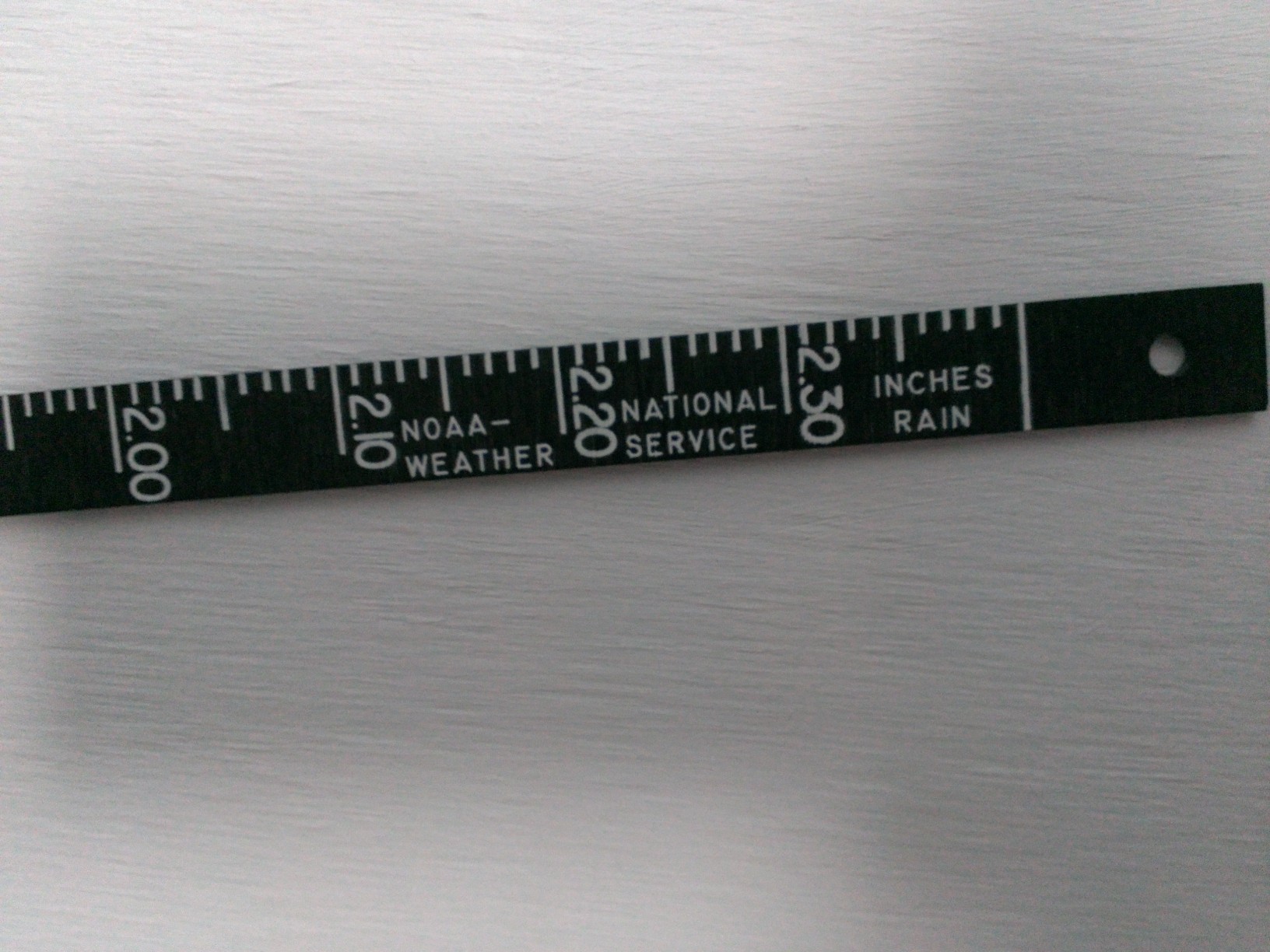
The eight-inch in diameter Standard Rain Gauge (SRG) is the standard in precipitation measurement and has been since the 1800s in the United States. The NovaLynx Standard Rain and snow gauge is a National Weather Service type all-aluminum rain gauge with a total capacity of 20" of rainfall. The gauge has no moving parts. An epoxy laminate measuring stick with English and metric marking is included.
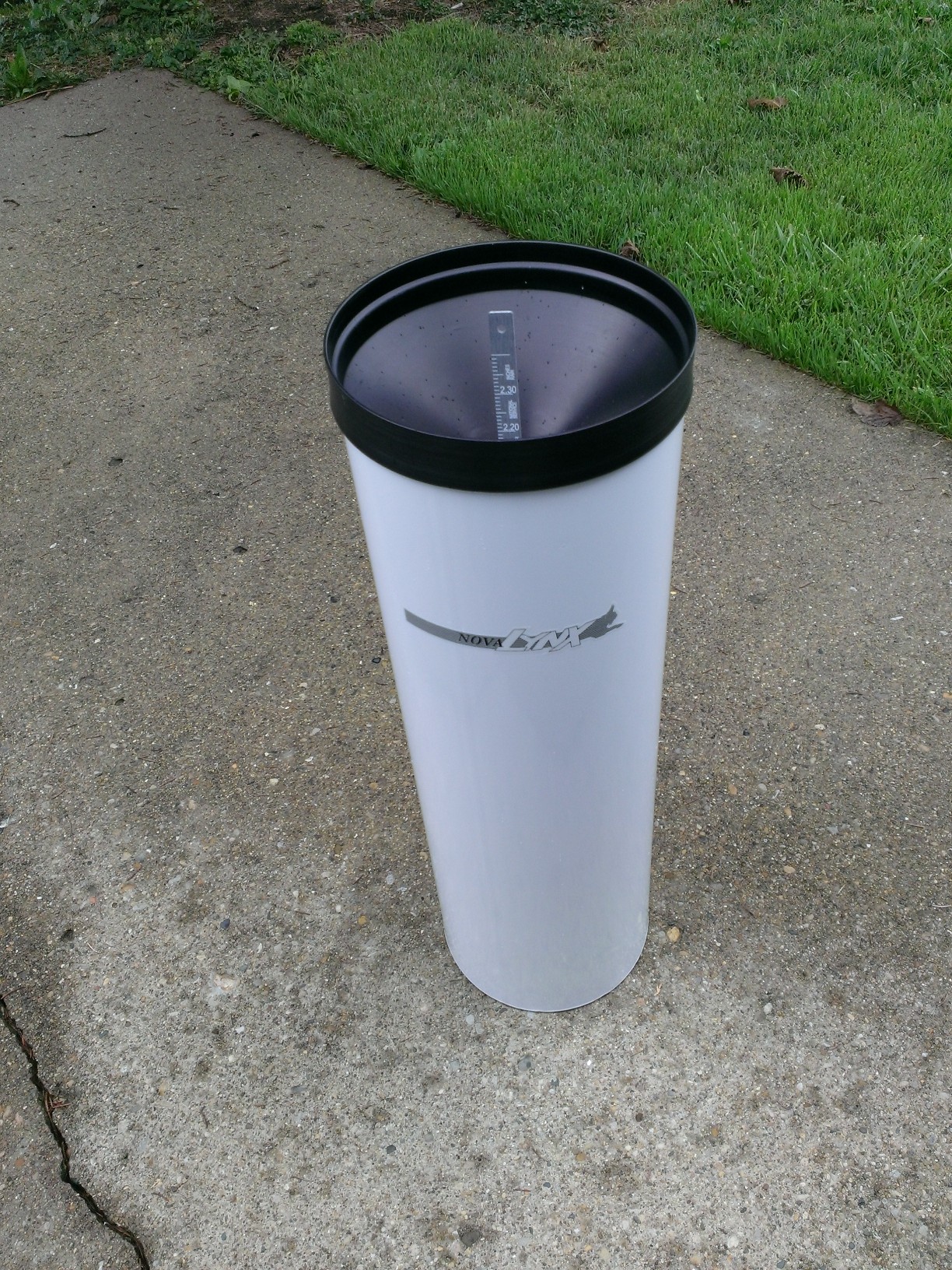
The upper portion of the funnel is cylindrical in shape and is tuned to a fine edge. Rainwater falling into the funnel is delivered into a measuring tube. The ratio of the funnel diameter to that of the tube is 10 to 1, so that 1 inch of rain fills the measuring tube with 10 inches of water. The measuring stick is used to accurately determine (within 0.01") the amount of water in the measuring tube. Any excess water that overflows the measuring tube is captured in the measuring can.
In winter, the funnel and measuring tube are removed so that rain/sleet/snow/hail are collected by the measuring can only. The amount of precipitation is measured by melting the ice and then pouring the water into the measuring tube. The measuring stick is lowered to the botton of the tube, then lifted out to read the depth. This is done as many times as necessary and the measurements are added together.
The NovaLynx eight-inch standard rain gauge can measure up to two inches in the inner chamber referred to as the receiver. The accuracy of the gauge, according to NovaLynx, is 0.5 percent of full scale whereas the sensitivity is 0.01 inch. I also use the NovaLynx Standard Rain Gauge for reporting to CoCoRaHS.
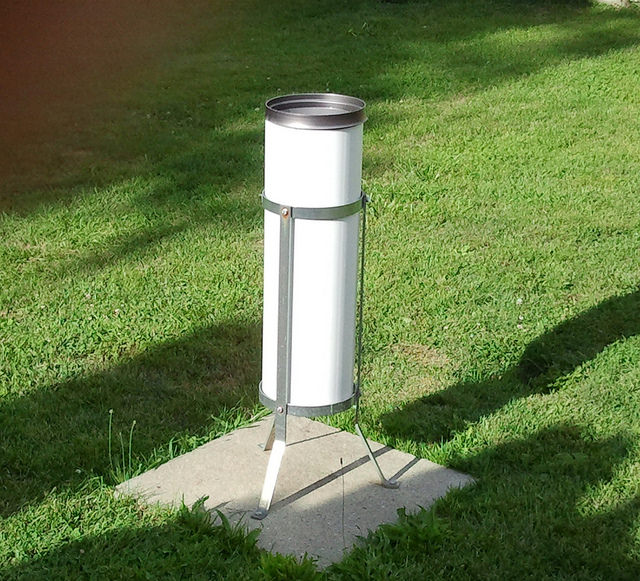
Cotton Region Shelter
The purpose of the Cotton Region Shelter, also called a Stevenson Screen, is to protect the thermometers from the weather elements. The louvers allow air to circulate while keeping precipitation and sunlight from reaching the instruments which would alter the measurements. The design is based upon U.S. Weather Bureau (now the National Weather Service) criteria. Temperature insulation is 2 to 5 degrees.
Inside the CRS, a maximum/minimum thermometer set on townsend support can be found, used to record high and low temperatures daily. The accuracy of the maximum and minimum thermometers is ±0.3°F above freezing and is read to the nearest whole degree. Generally, the maximum and minimum thermometers are within a degree of each other. A standard mercury thermometer is also read daily and is read to the nearest whole degree. The accuracy of the standard mercury thermometer is 0.15F above freezing.
Mercury or liquid in glass (LIG) retain their original calibration, unless the liquid separates or the thermometer gets broken. The LIG does not require a source of electricity.
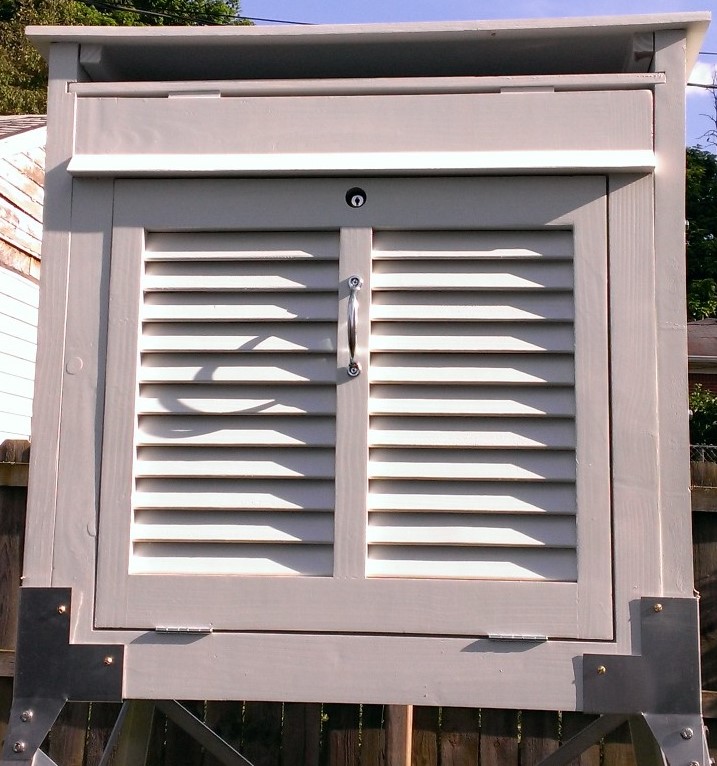
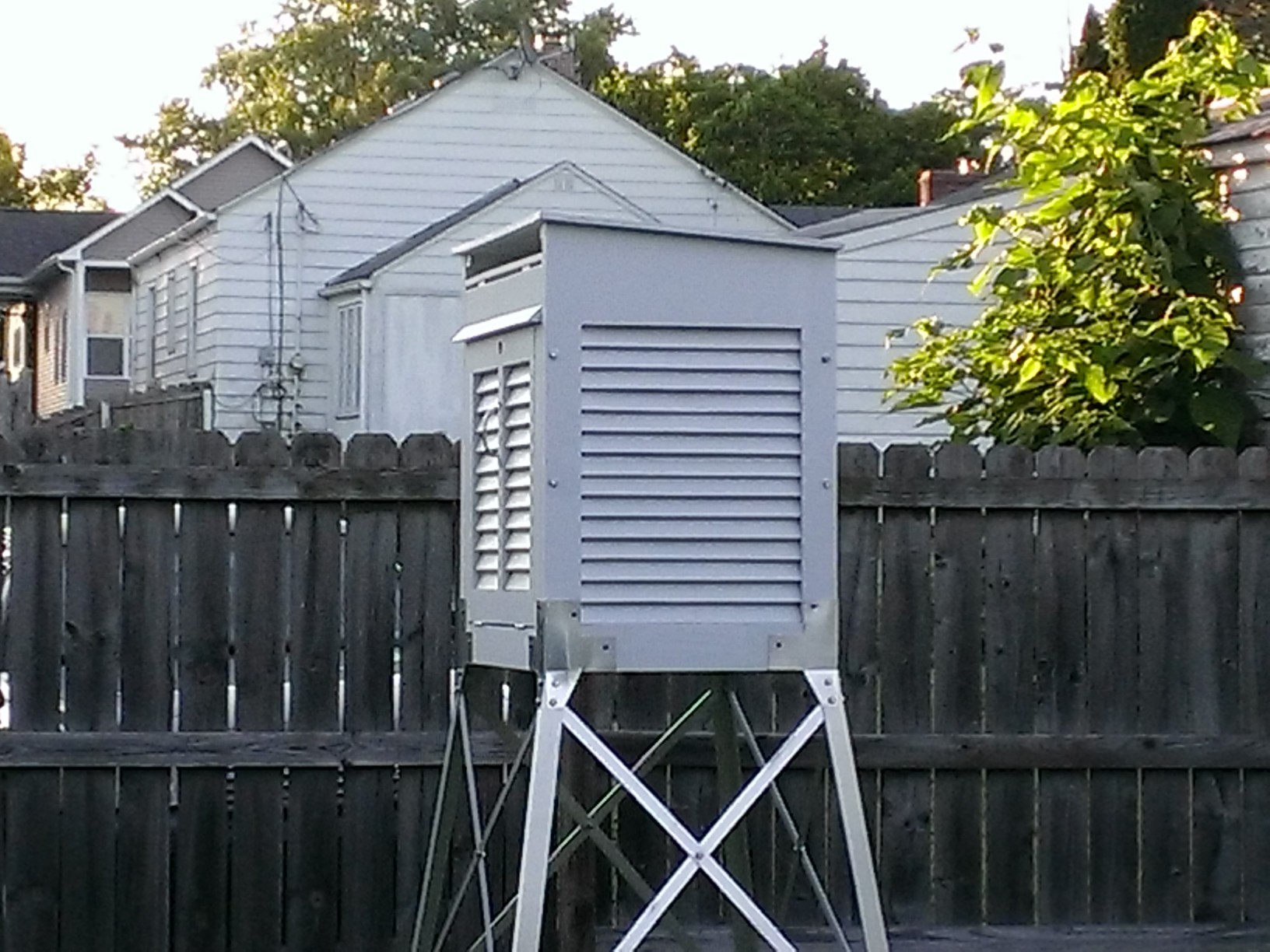
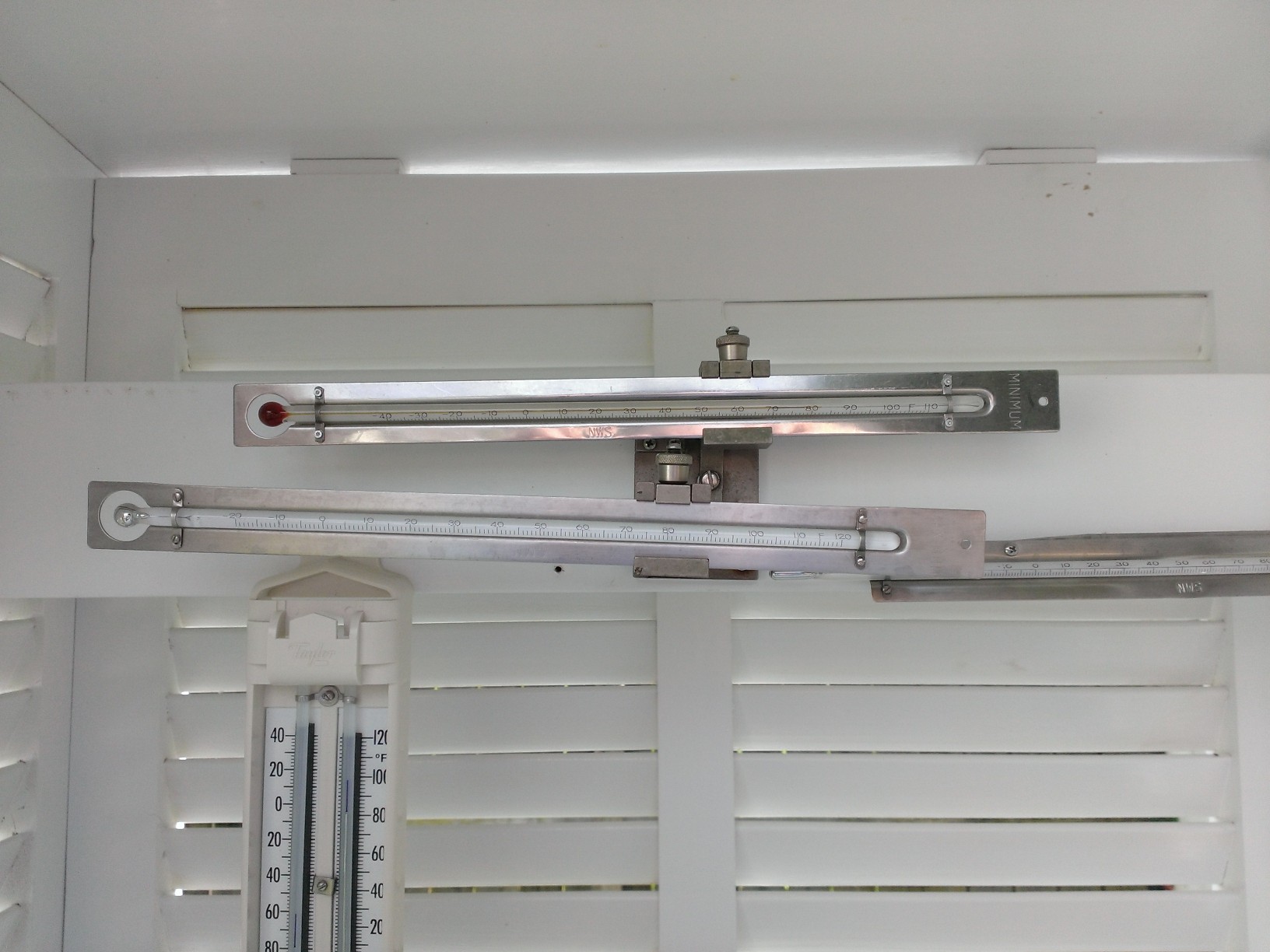
The data on this site is raw or observed temperature data as recorded daily. Meaning there are no adjustments made to the temperatures. What the thermometer reads is what is recorded. The 24-hour maximum temperature may be higher at times due to the fact that the shelter is located in my backyard near the city. On a hot summer day with full sun, the maximum temperature may be 2 to 3 degrees higher than the official temperatures that are taken in the open on the outskirts of the city. However, the temperature is correct for the location and exposure and is negligible. The observation temperature and minimum temperature will be less affected by the location.
Aneroid Barometer
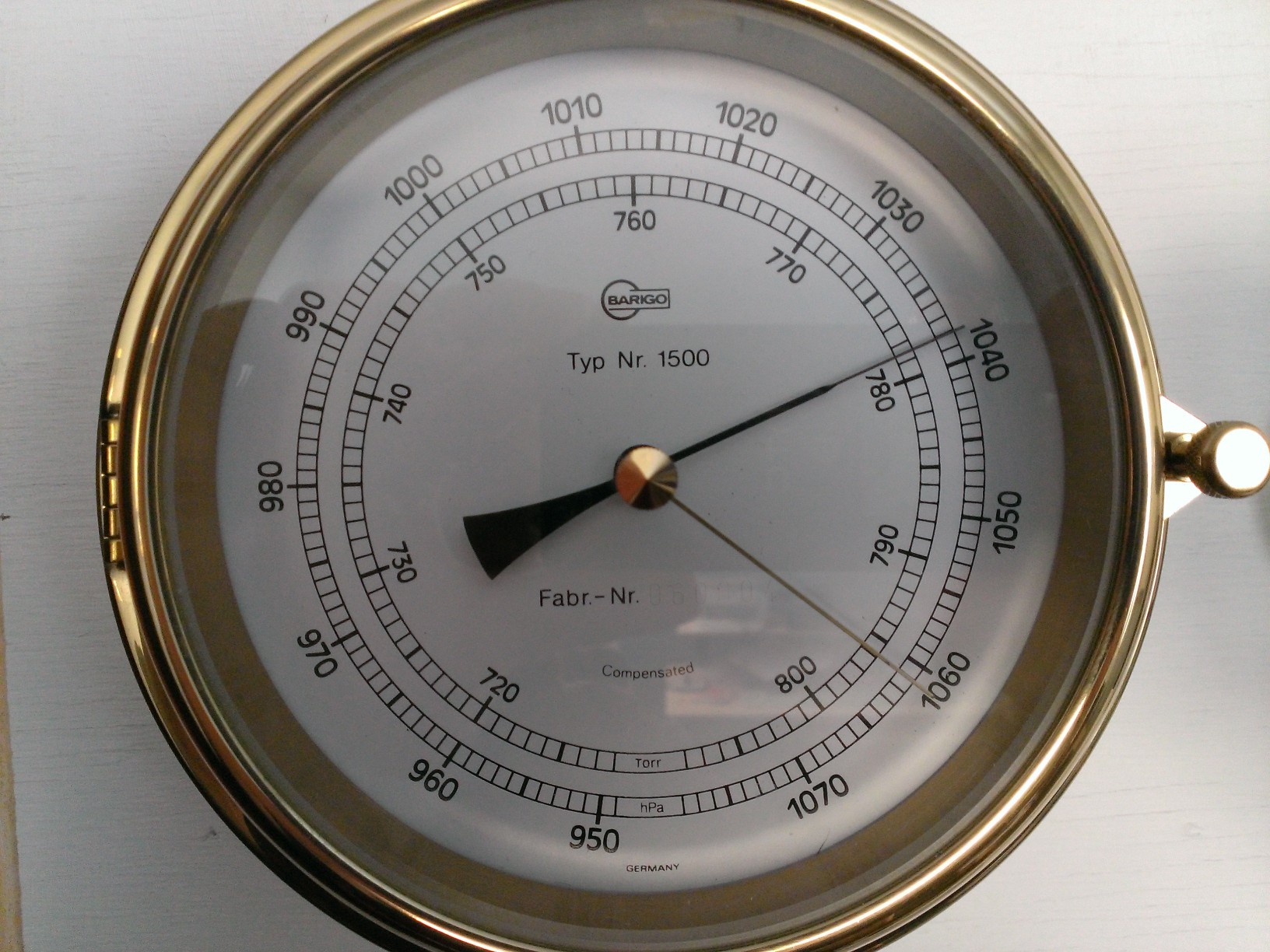
Used to record air pressure during observation. This is a twin cell barometer with an accuracy of ±1 mb.
Snow Stick
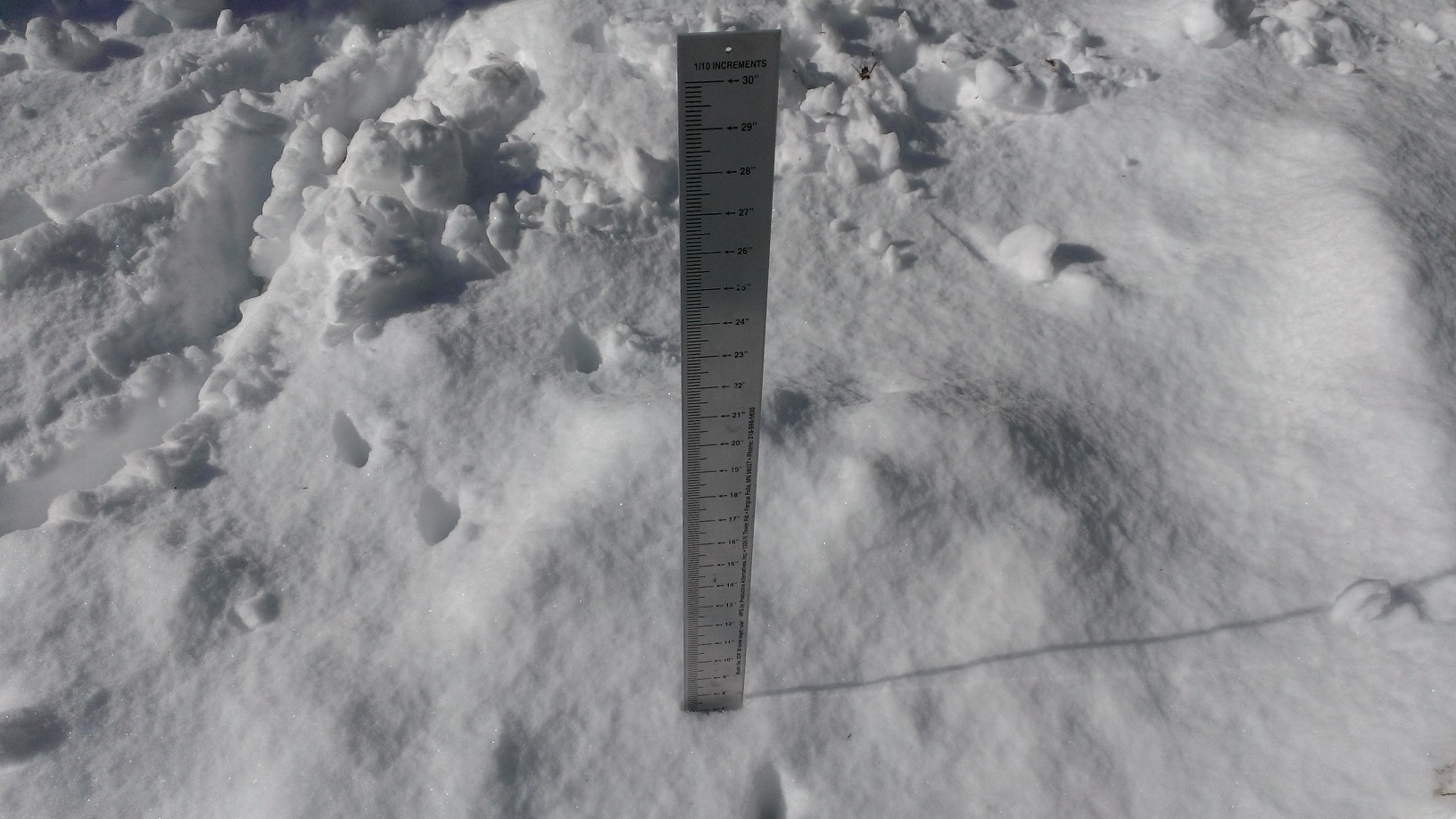
Used to measure snowfall. Generally, I will take four different snow measurements, add them up and divide them by four to get the average snow depth. It is not uncommon to use the measurement stick of the rain gauge to take snow measurements.
Snow board
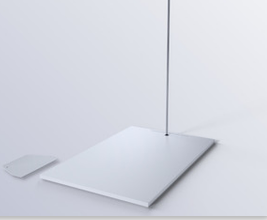
Snow board used to measure new snow on a flat surface. Picture is from stock.
Automated Weather Station
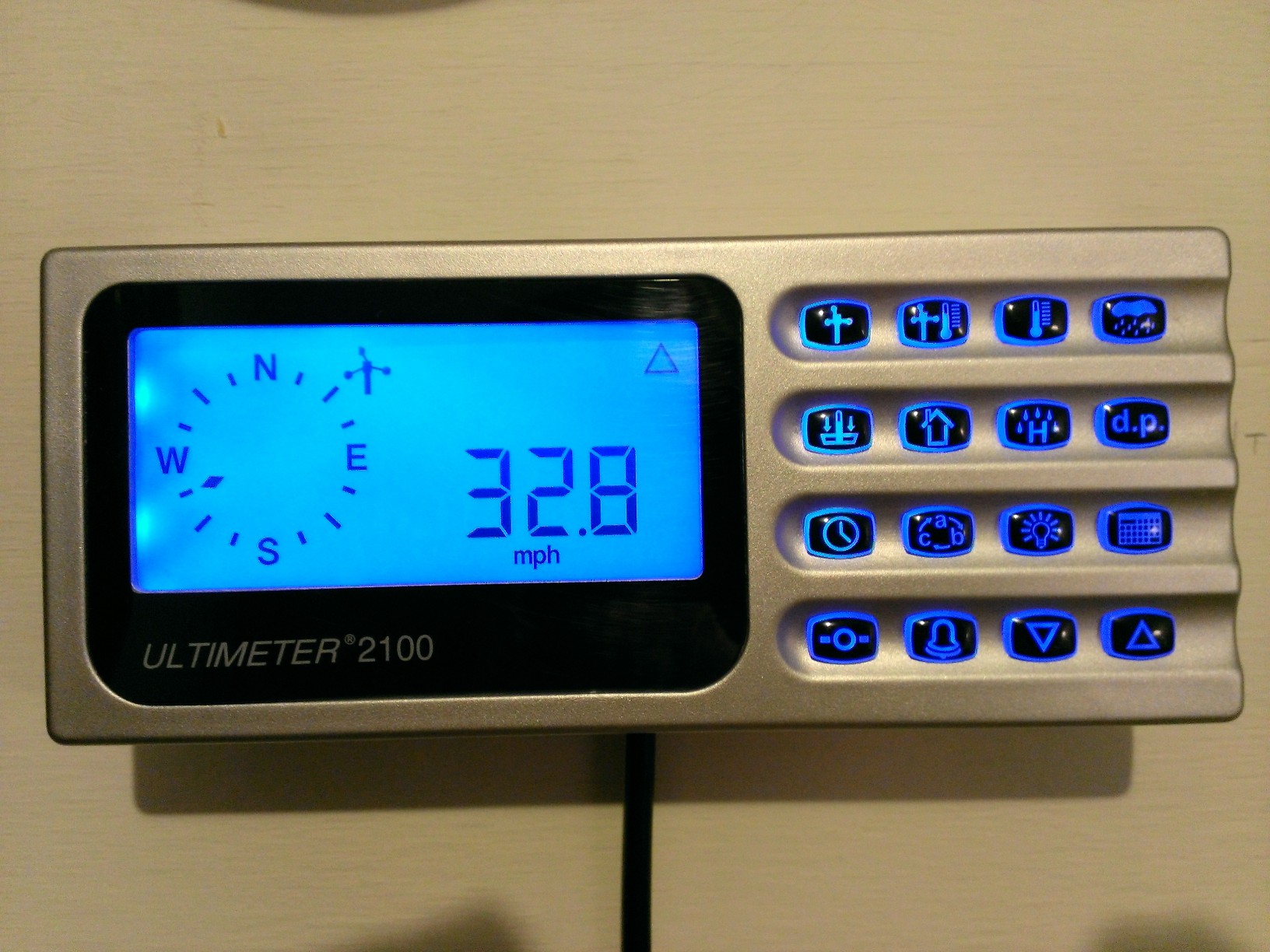
This is a automated weather station from Peet Bros. Company. I mostly use this instrument to measure wind speed.
Questions or Comments? • Home Page • Back to top of page